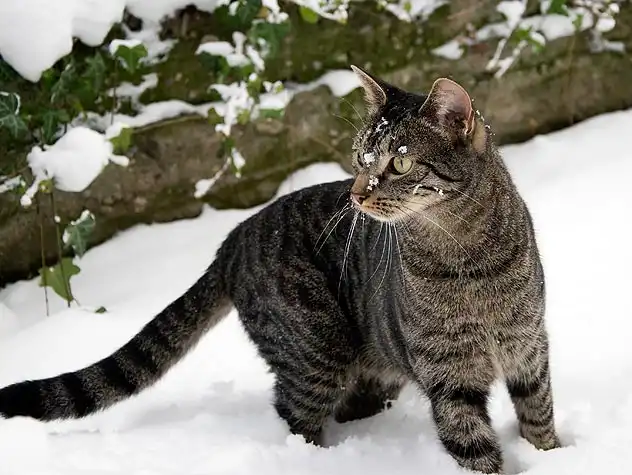
Winter Warriors: Helping Outdoor Cats Survive the Cold
As winter approaches, community cats need our help to stay warm and safe. From shelter tips to feeding tricks, here's how you can make a difference for the outdoor felines in your neighborhood.
With snowy days just around the corner, you might be wondering how those outdoor cats manage when the temperature drops. Even though stray and community cats are used to living outside, they can always use a little extra help during cold snaps and severe weather. Here are some practical tips to help them stay safe, warm, and healthy all winter long.
Car Safety First
Before you start your car on a frosty morning, give the hood a solid tap and take a quick peek between the tires. Cats will sometimes crawl into the engine compartment or hide underneath vehicles for warmth. It's also prime time for antifreeze, which unfortunately tastes irresistible to cats and other animals but is incredibly toxic. Keep it sealed and out of reach, and clean up any spills immediately.
Creating Cozy Shelter
In winter, good shelter makes all the difference for community cats. You can buy something ready-made or build your own—there are great DIY feral-cat shelter plans online. Even a modified dog house can work perfectly.
A few shelter essentials:
- Keep the entrance small—no wider than 6 to 8 inches—to keep out larger animals. If you're using a dog house, just block off part of the doorway.
- Adding a flap over the door helps keep snow, rain, and wind from blowing inside.
- Insulate with straw (not hay—hay absorbs moisture). Straw repels moisture and helps cats stay warm and dry. Avoid blankets; they might seem cozy but they soak up moisture and can make things worse.
- Shelters should be big enough for three to five cats to huddle together for warmth.
- Elevate shelters off the ground and place them in quiet spots away from foot traffic.
And don't forget to shovel out the cats when you're clearing your own driveway! Cats in shelters can get snowed in, so keep entrances clear. Also shovel a little exit path for any cats who might be hiding under bushes, porches, or other nooks.
Skip the salt and chemical ice melters near shelter areas. These can be toxic to animals and are tough on their paws.
Food, Water & Winter Feeding Tricks
When it gets cold, cats need more calories and reliable water. Here's how to help:
Stick to a regular feeding schedule. The cats will learn when to show up, which means both the food and the cats spend less time out in the cold.
Wet food is easier to digest, so cats can use more energy for staying warm. Since it freezes quickly, offer dry food too. Serve larger portions than you would in warmer weather.
Here's a clever hack: spray insulation foam into the underside of plastic feeding dishes to help keep wet food from turning into fishcicles (or chickencicles, turkeycicles—you get the idea).
Water bowls freeze fast. Change them twice a day, using deep bowls rather than wide ones, and refill with hot or warm water. If there's an outlet nearby, heated electric water bowls work wonders.
One trade secret: add a tiny pinch of sugar to the water. It slows freezing just a bit and gives the cats a little energy boost.
Looking out for outdoor cats during winter doesn't take much, but it means the world to them. Thanks for keeping an eye out for these tough little survivors.
This article provides general tips for assisting community cats. For specific health concerns or medical advice, please consult a veterinarian.
Enjoy this article?
Complete this article to earn points!
Earn +50 points by completing this article.
Sign in to earn points when you complete articles.
Must-have Picks


Tags
Comments
Recommended Reading
- Aegean Cats : Why These Seaside Cats Rarely Get Stressed5 min read
- Top 10 Most Confident Cat Breeds5 min read
- Why Some Cats Stress So Easily: Understanding Shy and Sensitive Cats5 min read
- Traveling with Cats: A Practical Guide to Reducing Stress on Your Feline Friend5 min read
- I Thought Cat Stress Was Exaggerated… Until My Cat Started Trembling and Breathing Fast5 min read