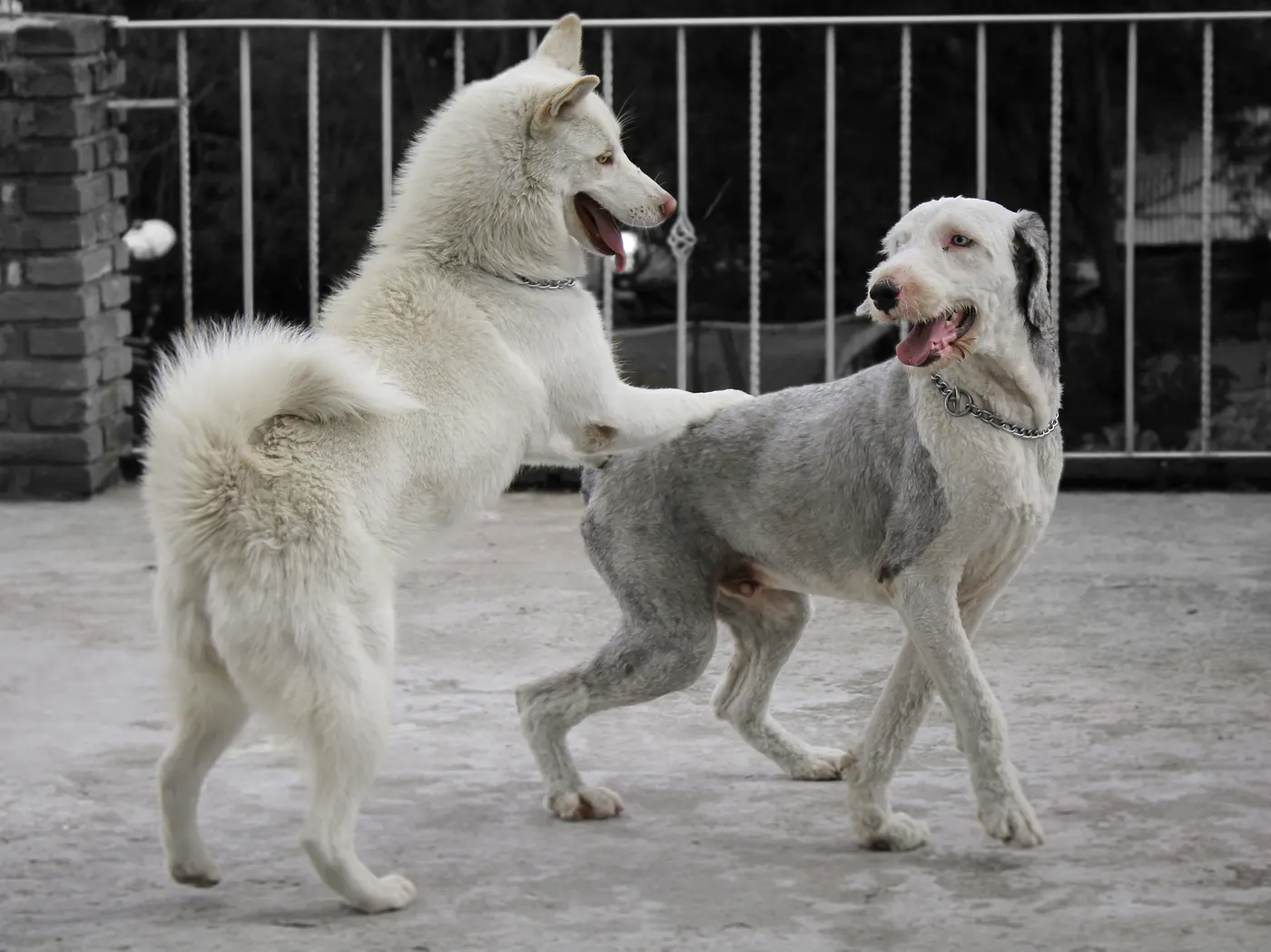
When Pets Meet Other Pets: It's All About Territory and Security
Introducing a new animal into your home isn't just exciting—it's a delicate dance of territory and security. A tragic family story shows why getting it wrong can cost lives, and how simple rules can make all the difference.
Bringing a new dog or cat into your home changes everything. It reshapes the family dynamic in ways we humans can grasp, but our pets? They don't have that same understanding.
Imagine being taken from everything you know—your people, your smells, your favorite sunny spot—and dropped into a completely new world. Strange noises, unfamiliar furniture, odd scents on the air, toys that aren't yours. You couldn't just "feel at home" instantly. No one could. Our pets feel that disorientation tenfold.
A heartbreaking story from my own family drives this home. A relative, a genuine dog lover, agreed to temporarily foster a dog named Max while his owners dealt with an out-of-town emergency. Max was a rescue, a big, sweet boy in need of a safe place. The relative already had a smaller, established dog named Ruby, who ruled the roost in their Oregon home.
The introduction was rushed. Within a day, a fight broke out. Max, likely overwhelmed and insecure in this new territory, attacked Ruby. She didn't survive her injuries.
The grief was shattering. It broke Ruby's family, and it also shattered any chance of a bond with Max. He became, in their eyes, the "intruder" who took their girl. But here's the painful truth: it's not fair to blame Max, or Ruby. This was a human failure—a failure to understand the primal rules of animal introduction.
The Core of the Conflict: Territory and Security
For animals, home isn't just where the heart is; it's their fortress. It's where they feel safe. A new animal isn't a guest; it's a potential threat to their resources, their space, their very sense of security. That threat triggers deep-seated instincts.
Timidity or aggression in these situations isn't "bad behavior." It's communication. It's an animal saying, "I am scared," or "This is mine, and you are a danger."
Simple Rules That Can Save Lives
So, how do we do better? We slow down. We prioritize the animals' sense of security over our own excitement.
1. Start on Neutral Ground. Don't just open your front door. Introduce the pets in a neutral area, like a quiet park or a neighbor's yard. Let them meet without the pressure of one defending their castle.
2. Control the Leash (But Keep it Loose). Have both animals on leashes held by calm adults. Allow them to sniff and observe from a distance first. Watch their body language: stiff posture, fixed stares, or growling mean you need more space and time. Loose, wiggly bodies and playful bows are good signs.
3. The Scent Swap. Before they ever see each other, swap their scents. Rub a towel on one pet and place it near the other's food bowl or bed. Let them get used to the idea of each other through smell first.
4. Separate Spaces are Sacred. Once inside, keep them separated with baby gates or closed doors for days, even weeks. Let them eat, sleep, and have downtime apart. They can sniff each other under the door and hear each other, building familiarity without the pressure of a face-off.
5. Supervise, Supervise, Supervise. Never leave new pets alone together until you are absolutely confident in their relationship. This confidence takes weeks or months, not hours.
That day with Max and Ruby, these steps were skipped. In the desire to help, the fundamental need for a slow, secure introduction was overlooked. The cost was unimaginable.
Introducing a new pet is a journey of patience. It's about building a new shared territory, brick by brick, scent by scent, treat by treat. When we honor their need for security, we don't just prevent tragedy—we lay the foundation for a bond that could last a lifetime.
This article is based on personal experience and research. It is not a substitute for professional veterinary or animal behaviorist advice. If you have concerns about introducing pets, please consult an expert.
Enjoy this article?
Complete this article to earn points!
Earn +50 points by completing this article.
Sign in to earn points when you complete articles.
Must-have Picks


Tags
Comments
Recommended Reading
- How to Handle Your Dog's Chasing Instincts Before They Get Into Trouble4 min read
- Creating a Safe Home: How to Manage Pets During Pregnancy and Family Changes7 min read
- Is Soft Food Bad for Your Dog's Teeth? The Surprising Truth4 min read
- Is Dog Loyalty Real — or Just Submission?5 min read
- Aegean Cats : Why These Seaside Cats Rarely Get Stressed5 min read