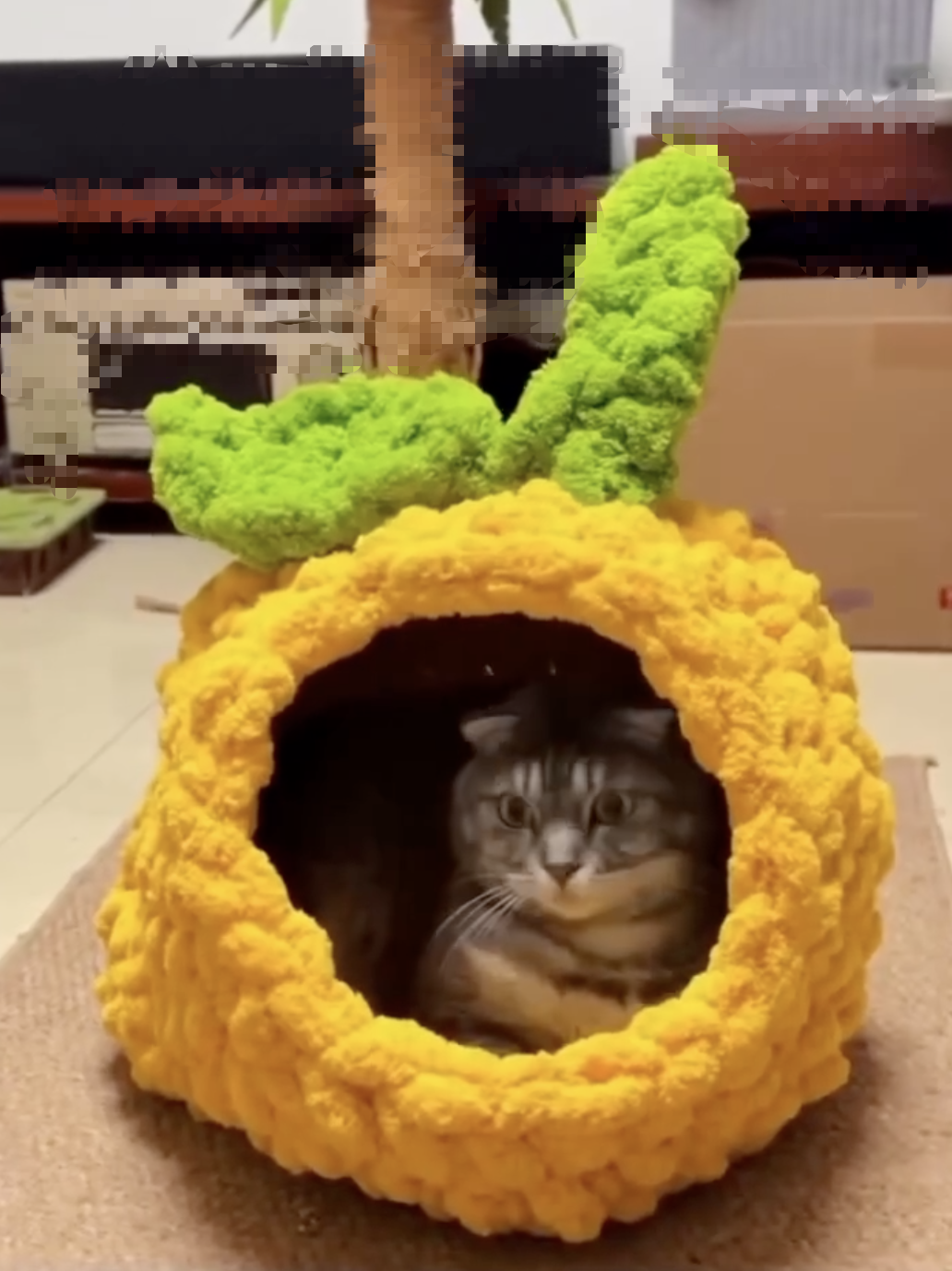
Traveling with Cats: A Practical Guide to Reducing Stress on Your Feline Friend
Traveling with your cat, whether for a trip or a visit, can trigger stress due to unfamiliar environments, long journeys, and noisy surroundings. This guide covers preparation before the trip, care during travel, and settling in a new place, offering strategies to help your cat stay calm and comfortable. By combining nutrition support, environmental calming, and careful use of veterinary interventions, you can make your cat’s travel experience safe and enjoyable.
Written by MyPetsDesign Team
Pet care enthusiasts & community contributors

1️⃣ 5–7 Days Before Travel: Prepare Your Cat
Goal: Strengthen resilience, not sedation.
-
🥛 Nutrition Support
Add a gentle, plant-based calming supplement to water or wet food. Use for at least 5 days before travel. -
🏡 Environmental Comfort
Place a pheromone diffuser (e.g., Feliway Classic) in frequently used areas to signal safety. -
👜 Carrier Familiarization
Place the carrier in a visible spot, line with a familiar blanket, add occasional treats, and let your cat explore voluntarily.
Avoid sedatives at this stage; observe normal behavior.
2️⃣ During Travel: Managing Stress
-
💊 Veterinary Support
For cats with severe anxiety or long trips (>4 hours), consult your vet about gabapentin. Test at home first. -
🌿 Environmental & Nutritional Support
-
Keep the carrier partially covered.
-
Spray pheromones inside and wait 10 minutes.
-
Offer calming supplements as needed.
-
Every 2–3 hours, allow safe stretches.
-
-
🗣 Gentle Guidance
Hold your cat when leaving home. In safe areas, use a harness and treats to guide exploration. Speak softly:
“It’s okay, I’m right here. Let’s take a look around.”
3️⃣ After Arrival: Reestablish Safety
-
🏠 Safe Room Setup
Quiet, private room with litter box, food/water, bedding, toys, and scratching posts. -
🌸 Pheromone Support
Continue diffuser or spray every couple of days for 1–2 weeks. -
🥄 Nutrition Support
Continue supplements for 3–5 days. -
⚠️ High-Stress Situations
Small vet-approved dose of gabapentin may help during noisy times, avoid consecutive daily use.
Tip: Male cats can develop urinary blockages under stress. Watch for frequent litter box visits with little output, excessive licking, lethargy, or refusal to eat. Seek vet care immediately.
4️⃣ Daily Care & Psychological Support
-
🗣 Speak calmly to reassure your cat.
-
🍬 Use favorite treats to encourage exploration.
-
🐾 Let your cat move at its own pace, avoid forcing interactions.
-
Combine nutrition, environment, and vet guidance for best results.
✅ Quick Tips for Stress-Free Cat Travel
Before Travel
-
Calming supplement in water or wet food
-
Pheromone diffuser in familiar areas
-
Let cat explore carrier with blanket and treats
During Travel
-
Monitor stress, consult vet for meds if needed
-
Keep carrier partially covered, reduce noise/light
-
Short breaks for stretching every 2–3 hours
-
Reassure cat with voice and treats
-
Maintain hydration and small supplements
After Arrival
-
Quiet “safe room” with familiar items
-
Continue pheromones 1–2 weeks
-
Continue supplements for several days
-
Watch for urinary stress, seek vet care
General
-
Encourage exploration with treats
-
Let cat move at its own pace
-
Combine nutrition, environment, and vet guidance
related articles:
Thought Cat Stress Was Exaggerated… Until My Cat Started Trembling and Breathing Fast
Cat Stress: What It Is and How to Handle It
🐱 Why Nutrition and Diet Can Influence Stress in Cats pmc
Scientific evidence shows that stress in cats frequently affects their eating habits and nutritional intake. Cats experiencing stress often reduce food intake or refuse food entirely, which can lead to secondary health issues such as hepatic lipidosis (fatty liver disease) because they cannot go without food for long periods without severe consequences. Stress‑induced anorexia is mediated by neurohormonal changes that suppress appetite and alter feeding behavior. Additionally, stress can increase food neophobia, meaning cats become reluctant to eat unfamiliar foods when stressed, which can worsen nutritional imbalance after changes in diet or environment.
There is also emerging research suggesting that specialized diets enriched with nutrients such as amino acids (e.g., tryptophan, precursors for serotonin) may influence physiological stress markers like cortisol, indicating a link between nutrition and the stress response system.
🌿 The Link Between Security (Safety) and Stress in Cats
Cats rely heavily on predictability and control in their environment. Changes to familiar surroundings, routine, or access to safe spaces are well‑documented stressors that trigger behavioral changes such as decreased activity, hiding, reduced exploratory behavior, and changes in appetite. These responses are part of a physiological stress reaction coordinated by systems like the hypothalamic‑pituitary‑adrenal (HPA) axis.
Chemical communication, such as pheromone signaling, plays a significant role in how cats perceive safety. Research in applied animal behavior science supports the idea that olfactory cues and scent signals can reduce anxiety and promote security in cats, helping them feel more comfortable in their environment and mitigating stress‑related behaviors.
All articles on MyPetsDesign are created by our team and community contributors based on real pet care experiences.
Enjoy this article?
Complete this article to earn points!
Earn +5 points by completing this article.
Sign in to earn points when you complete articles.
Must-have Picks


New Pet Dog Suit Bandana Bow Tie Drool Bib Collar Wedding Photo Cute Formal Outfit


Tags
Comments
Recommended Reading
- Aegean Cats : Why These Seaside Cats Rarely Get Stressed5 min read
- Top 10 Most Confident Cat Breeds5 min read
- Why Some Cats Stress So Easily: Understanding Shy and Sensitive Cats5 min read
- I Thought Cat Stress Was Exaggerated… Until My Cat Started Trembling and Breathing Fast5 min read
- The Only Two Toys My Cats Never Get Bored Of4 min read