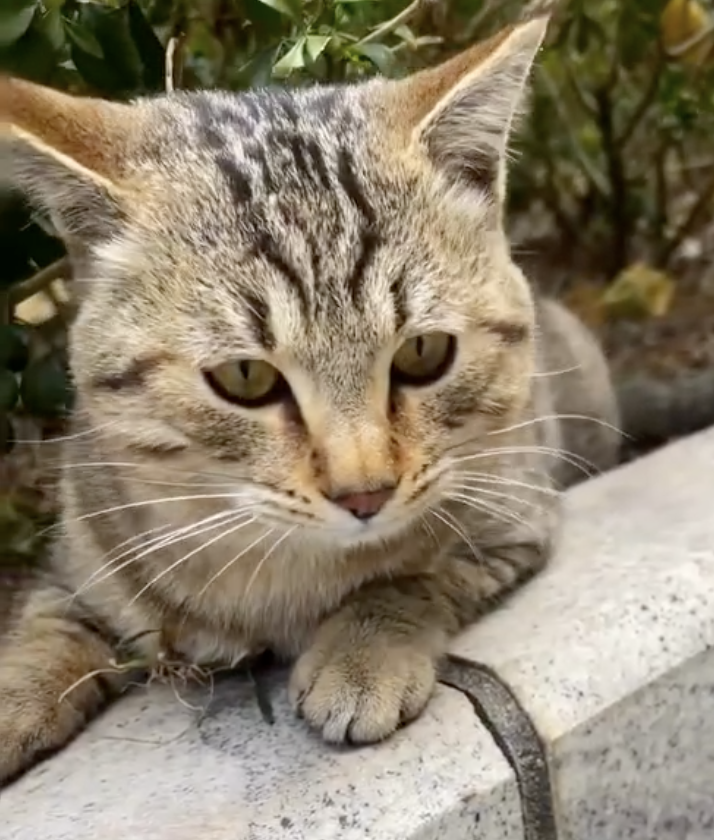
Aegean Cats : Why These Seaside Cats Rarely Get Stressed
The Aegean Cat is one of the few naturally evolved cat breeds in the world.
Because these cats grew up in busy Greek fishing harbors surrounded by people, noise, and constant environmental changes, they developed exceptional psychological resilience.
Unlike many indoor cats that live in quiet and predictable homes, Aegean cats are exposed to stimulation from a young age. This early exposure helps them become more confident, social, and less prone to stress-related behavior.
Written by MyPetsDesign Team
Pet care enthusiasts & community contributors
What Is an Aegean Cat?
The Aegean Cat is a natural landrace cat originating from the islands of Greece along the Aegean Sea.
Unlike many modern cat breeds that were selectively bred by humans, Aegean cats evolved naturally over thousands of years in coastal fishing communities.
Typical characteristics include:
-
Medium-sized body
-
White coat with colored patches
-
High intelligence
-
Strong social behavior with humans
-
Surprisingly low fear response to new environments
Because they developed through natural selection rather than controlled breeding, these cats tend to be both physically and mentally robust.
Life in Greek Harbors: A Natural Stress-Training Environment
Walk along a fishing harbor in Greece and you will likely see several Aegean cats roaming around.
They live among:
-
boat engines
-
loud fishermen
-
curious tourists
-
seagulls and other animals
-
constant ocean wind and movement
For most indoor cats, this would be overwhelming.
But for Aegean cats, this environment acts like daily mental training.
From kittenhood, they learn that:
-
loud sounds are normal
-
strangers are common
-
environmental changes are constant
Because nothing is completely new or unpredictable, their brains develop a lower stress response.
According to the International Cat Care, cats that are exposed to varied environments during early life stages tend to develop better behavioral adaptability and reduced fear responses.
Do Aegean Cats Really Like Water?
One of the most surprising behaviors of the Aegean Cat is its relationship with water.
Most domestic cats strongly avoid water, but many Aegean cats will approach shallow coastal areas to hunt small fish or crabs.
This behavior developed because:
-
their food sources historically came from fishing boats
-
coastal environments require tolerance for water exposure
-
generations adapted to the harbor ecosystem
While they are not fully aquatic hunters, their comfort around water is far greater than the average house cat.

Why Modern House Cats Get Stressed Easily
Many cat owners notice behaviors like:
-
hiding under beds when guests arrive
-
panic during thunderstorms
-
excessive grooming
-
refusal to eat in new environments
These are common signs of feline stress.
The Cornell Feline Health Center notes that stress in cats can lead to behavioral and medical issues such as:
-
inappropriate urination
-
appetite changes
-
aggression
-
anxiety-related illness
One of the biggest contributing factors is lack of environmental stimulation.
Indoor cats often live extremely controlled lives where nothing changes.
While this may seem safe, it can actually reduce a cat's ability to cope with new situations.
Have Humans Accidentally Made Cats More Fragile?
Modern pet care often emphasizes safety and comfort.
However, there is a difference between protecting animals and removing all challenges from their environment.
The American Veterinary Medical Association explains that animals benefit from environmental enrichment, which encourages natural behaviors like exploration, climbing, and hunting.
Without these experiences, cats may develop:
-
boredom
-
anxiety
-
low tolerance for change
In contrast, Aegean cats spend their lives constantly interacting with dynamic environments.
This naturally builds behavioral resilience.
How to Reduce Stress in Indoor Cats
You don't need to raise your cat on a Greek island to improve their mental health.
However, you can apply some lessons from the lifestyle of the Aegean Cat.
1. Provide Environmental Enrichment
Cats need stimulation to stay mentally healthy.
Examples include:
-
cat trees and climbing shelves
-
interactive toys
-
puzzle feeders
-
window perches for watching outside activity
These activities simulate natural hunting and exploration behaviors.
2. Encourage Safe Exploration
Allow your cat to experience new stimuli gradually.
This may include:
-
meeting calm visitors
-
hearing everyday household sounds
-
exploring new toys or scents
Gradual exposure helps prevent excessive fear responses later in life.
3. Respect Natural Cat Behavior
Cats are naturally curious predators.
Providing opportunities to climb, observe, and investigate helps them maintain psychological balance.
According to International Cat Care, enrichment and play are essential components of preventing stress-related behavior in domestic cats.
FAQ: Aegean Cats and Cat Stress
Are Aegean cats a recognized breed?
Yes. The Aegean Cat is considered one of the few naturally occurring cat breeds, originating in Greece and evolving without extensive human-controlled breeding.
Why are some cats more anxious than others?
Genetics, early socialization, and environmental stimulation all influence feline temperament. Cats raised in highly controlled environments may develop stronger fear responses to unfamiliar situations.
Can indoor cats become more confident?
Yes. Environmental enrichment, play, and gradual exposure to new experiences can significantly improve a cat's ability to handle stress.
Final Thoughts
The cats of the Aegean coast didn’t become confident by living in perfect comfort.
They became resilient because they grew up interacting with the real world.
Wind, waves, strangers, and unpredictable environments were simply part of daily life.
While most of us won’t raise cats on a seaside dock, we can still learn an important lesson from the Aegean Cat:
Sometimes the best way to reduce stress
is not removing every challenge —
but helping our cats learn that the world is manageable.
refer:
Breed differences of heritable behaviour traits in cats
Heritable behavioral differences between cat breeds
related article:
All articles on MyPetsDesign are created by our team and community contributors based on real pet care experiences.
Enjoy this article?
Complete this article to earn points!
Earn +5 points by completing this article.
Sign in to earn points when you complete articles.
Must-have Picks


Tags
Comments
Recommended Reading
- Top 10 Most Confident Cat Breeds5 min read
- Why Some Cats Stress So Easily: Understanding Shy and Sensitive Cats5 min read
- Traveling with Cats: A Practical Guide to Reducing Stress on Your Feline Friend5 min read
- I Thought Cat Stress Was Exaggerated… Until My Cat Started Trembling and Breathing Fast5 min read
- The Only Two Toys My Cats Never Get Bored Of4 min read