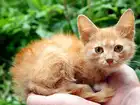
Unusual Cat Behaviors Explained: Why Your Cat Does That Weird Thing
Cats are mysterious creatures with quirky habits. From midnight zoomies to chattering at birds, we decode the most unusual feline behaviors, explaining the instincts and communication behind them, and offer practical tips for cat owners.
Unusual Cat Behaviors Explained: Why Your Cat Does That Weird Thing
Cats are notoriously mysterious creatures. One moment, they’re purring on your lap like a tiny angel; the next, they’re staring into an empty corner of the room as if they’ve seen a ghost. Whether you’re a seasoned cat parent or new to the feline world, you’ve likely witnessed your cat do something that left you utterly perplexed. But behind every quirky tail twitch, sudden sprint, or odd vocalization is a reason—often rooted in instinct, communication, or even health.
Let’s decode some of the most common yet unusual cat behaviors and explain what’s really going on in your feline friend’s mind.
1. The Midnight Zoomies
What it looks like: Your peaceful evening is shattered at 3 a.m. by your cat transforming into a furry missile, sprinting from room to room, leaping over furniture, and skidding across floors.
Why it happens: Known as “frapping” (Frenetic Random Activity Periods) or “the crazies,” this burst of energy is fueled by your cat’s natural hunting instincts. Cats are crepuscular, meaning they are biologically wired to be most active at dawn and dusk. If your cat sleeps most of the day, all that pent-up energy needs an outlet when the house is quiet.
How to manage it:
- Increase daytime play: Schedule two 15-minute interactive play sessions daily, especially one right before your bedtime. Use toys that mimic prey, like feather wands or motorized mice.
- Create a routine: Feed your cat a small meal after evening play to mimic the “hunt, eat, groom, sleep” cycle.
- Environmental enrichment: Provide climbing trees, puzzle feeders, and window perches to keep them engaged during the day.
2. Staring at Nothing
What it looks like: Your cat is utterly transfixed by a blank wall, a ceiling corner, or an empty space, with pupils dilated and body still.
Why it happens: Cats have superior senses. Their vision detects slight movements, and their hearing picks up high-frequency sounds (like rodent squeaks or insects) that humans can’t perceive. That “nothing” might be a dust mote floating in a sunbeam, a tiny spider, or a sound from within the walls.
When to worry: Occasional staring is normal. However, if it’s accompanied by twitching, disorientation, seizures, or changes in behavior, consult your veterinarian to rule out neurological issues like feline hyperesthesia syndrome.
3. Chattering at Birds
What it looks like: Your cat spots a bird or squirrel outside the window and begins making a rapid, stuttering “ek-ek-ek” sound, often with a quivering jaw.
Why it happens: This is a fascinating mix of predatory excitement and frustration. One theory suggests the chattering mimics the killing bite a cat would use on prey. Another posits it’s an involuntary expression of intense focus and pent-up hunting drive. It’s completely normal and a sign of a healthy predatory instinct.
4. Knocking Things Off Tables
What it looks like: Your cat calmly approaches your coffee mug, makes eye contact, and deliberately swats it onto the floor.
Why it happens:
- Curiosity & Exploration: Cats use their paws to test objects—is it movable? What sound does it make?
- Attention-Seeking: If you’ve ever yelled or jumped up when they do this, they’ve learned it’s a surefire way to get your focus.
- Play: The falling motion can trigger their prey-drive.
How to redirect the behavior:
- Ignore the act: Don’t give any reaction—positive or negative.
- Provide alternatives: Place sturdy, cat-safe knick-knacks on a low shelf they can bat around.
- Increase play: Satisfy their batting instinct with wand toys or ball tracks.
5. Head-Butting and Face Rubbing (Bunting)
What it looks like: Your cat approaches and gently bumps their forehead against your leg or rubs their cheek along your hand.
Why it happens: This is called bunting. Cats have scent glands on their cheeks, forehead, and lips. When they rub against you, they are depositing their scent, marking you as “theirs.” It’s a profound sign of affection, trust, and social bonding. They are essentially saying, “You are part of my family.”
6. Kneading with Paws (“Making Biscuits”)
What it looks like: Your cat rhythmically pushes their paws in and out against a soft blanket, your lap, or a favorite sweater, often while purring contentedly.
Why it happens: This behavior originates in kittenhood. Nursing kittens knead their mother’s belly to stimulate milk flow. In adulthood, kneading is a self-soothing, comforting behavior associated with happiness, security, and contentment. The purring often indicates a state of pure bliss.
Tip: If the kneading becomes painful (those claws!), gently place a thick blanket on your lap as a buffer.
7. Tail Twitching While Lying Down
What it looks like: Your cat appears relaxed and sleepy, but the tip of their tail is flicking or twitching.
Why it happens: A cat’s tail is a primary communication tool.
- Gentle twitch: Often signals focused attention or mild interest in surroundings.
- Aggressive lashing: Indicates irritation, overstimulation, or impending aggression.
What to do: A slow tail tip twitch is usually harmless. If the tail starts whipping forcefully, it’s best to stop petting and give your cat space.
8. Burying Food or Covering the Bowl
What it looks like: After eating a few bites, your cat paws at the floor around their bowl as if trying to bury it.
Why it happens: This is an ancient survival instinct. In the wild, cats bury leftover food to hide their scent from predators and competitors, and to save it for later. Your indoor cat is simply following a deep-seated instinct, even though the refrigerator is nearby.
Tip: If this behavior is new or excessive, it could signal your cat dislikes the food. Try a different flavor or brand.
9. Bringing You “Gifts”
What it looks like: You wake up to find a dead insect, a toy mouse, or even a sock proudly deposited at your feet.
Why it happens: There are a few interpretations:
- They’re teaching you: As the “kitten” of the family, they think you need hunting lessons.
- They’re sharing: You are part of their colony, and they are contributing to the “food” supply.
- They’re showing off: It’s a display of their prowess.
While unsettling, it’s ultimately a sign of deep affection. To reduce this, keep your cat indoors or provide ample indoor hunting simulation with toys.
10. Sudden Zooming After Pooping (The “Poop Zoomies”)
What it looks like: Your cat exits the litter box and immediately erupts into a frantic, high-speed sprint around the house.
Why it happens:
- Relief & Euphoria: A successful bathroom break can trigger a burst of celebratory energy.
- Sensory Sensitivity: The process may stimulate the vagus nerve, causing a temporary rush.
- Instinct: In the wild, leaving waste behind makes them vulnerable; zooming away is a defensive maneuver.
When to monitor: Occasional zoomies are fine. If it’s paired with signs of litter box distress (crying, straining, diarrhea), a vet visit is warranted to rule out digestive or urinary issues.
Final Thoughts: Embrace the Quirk
Cats are fascinating blends of instinct and individuality. Their “weird” behaviors are windows into their minds, revealing their needs, moods, and ancient ancestry. By observing and understanding these quirks, you deepen your bond and become a more attentive caregiver. So the next time your cat chatters at a sparrow or zooms past at midnight, smile—you’re witnessing the wonderfully complex and normal world of being a cat.
Disclaimer: This article is for informational purposes only and is not intended as veterinary advice. If you have concerns about your cat's health or behavior, please consult a licensed veterinarian.
Enjoy this article?
Complete this article to earn points!
Earn +50 points by completing this article.
Sign in to earn points when you complete articles.
Must-have Picks


Tags
Comments
Recommended Reading
- Aegean Cats : Why These Seaside Cats Rarely Get Stressed5 min read
- Top 10 Most Confident Cat Breeds5 min read
- Why Some Cats Stress So Easily: Understanding Shy and Sensitive Cats5 min read
- Traveling with Cats: A Practical Guide to Reducing Stress on Your Feline Friend5 min read
- I Thought Cat Stress Was Exaggerated… Until My Cat Started Trembling and Breathing Fast5 min read