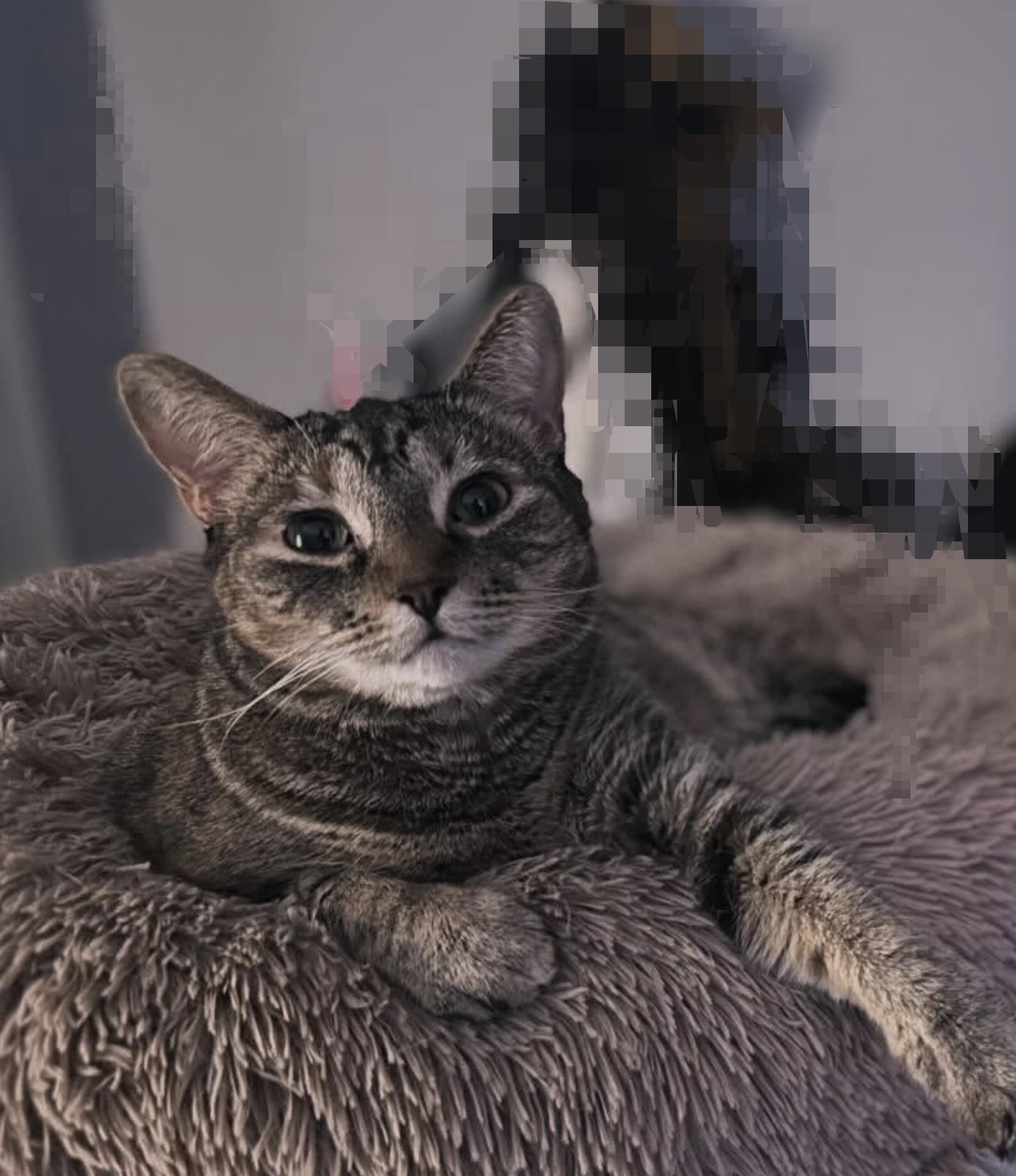
Why Some Cats Stress So Easily: Understanding Shy and Sensitive Cats
Not every cat reacts to stress the same way. Some cats adapt quickly to new environments, while others hide the moment a stranger enters the house. This article focuses on one particular type of cat: shy and sensitive cats that are especially prone to stress. By understanding their personality, environment, and behavioral needs, cat owners can better prevent stress reactions before they become serious health problems.
Written by MyPetsDesign Team
Pet care enthusiasts & community contributors
When a Cat Hides From Strangers: Why Some Cats Are So Sensitive
Living with a cat sometimes feels like living with royalty. They may look cute and calm most of the time, but many cats are surprisingly timid. A small change in the environment — a visitor at the door, a loud sound, or a new place — can cause them to panic and hide.
Because of this, many cat owners worry about stress reactions. People often say that stress is the root of many illnesses in cats, which makes some owners feel as if their cats are extremely fragile.
But the truth is more complicated.
Not every cat reacts the same way.
Some cats are naturally calm and adaptable, while others are extremely cautious and easily frightened.
Four Types of Cats That Tend to Stress Easily
Certain personality traits make cats more sensitive to environmental changes. Owners of these cats should pay extra attention to possible stress triggers.
1. Extremely gentle cats
Cats that never scratch, bite, or defend themselves often have very mild personalities. While this may seem like a good trait, these cats are often less confident when facing unfamiliar situations.
2. Cats that hide whenever someone visits
If your cat disappears the moment the doorbell rings or hides under the bed when guests arrive, it may have a strong fear response toward strangers.
3. Cats that tremble in unfamiliar places
Some cats appear confident at home but become extremely nervous outside. They may shake, cling to their owner, or freeze when brought to a new environment.
4. Cats that seem to get sick easily
Frequent illness may sometimes be linked to chronic stress. Sensitive cats often have weaker tolerance to environmental changes.

Why Some Cats Are More Sensitive Than Others
One interesting observation among cat owners is the difference between indoor-raised cats and cats that have experienced life outdoors.
Cats that grow up entirely indoors often have limited exposure to unfamiliar situations. For them, the outside world can be overwhelming. Even small changes — a trip to the grooming shop or a thunderstorm — may cause intense stress.
On the other hand, cats that have spent time living outdoors sometimes develop stronger adaptability. They still react to threats, but they often recover more quickly after the stressful event passes.
This doesn’t mean outdoor life is better for cats, but it does show how experience shapes stress tolerance.
Stress in Cats Is Real — But It Doesn't Mean Instant Danger
Online discussions about feline stress can sometimes make it sound like any stressful event could be fatal. In reality, most stress reactions are temporary.
However, repeated or intense stress can weaken a cat’s immune system and increase the risk of disease. For very sensitive cats, even routine events like a bath or a vet visit can trigger a strong reaction.
That’s why prevention is important, especially for shy or timid cats.
Common Signs of Stress in Cats
When a cat experiences stress, the changes are usually visible in both behavior and physical reactions.
Physical signs
-
Fur standing on end
-
Dilated pupils
-
Rapid breathing
-
Increased heart rate
-
Excessive drooling
-
Slow growth in kittens
Behavioral signs
-
Freezing or becoming very still
-
Hiding or escaping
-
Hissing
-
Excessive meowing
-
Over-grooming
These signs are part of a cat’s natural survival response.
Why Chronic Stress Can Lead to Health Problems
Stress does more than affect behavior. Long-term stress can weaken a cat’s immune system, making it easier for infections and diseases to develop.
Veterinarians have observed links between stress and several common feline health conditions, including:
-
Upper respiratory infections
-
Digestive problems such as vomiting or diarrhea
-
Urinary tract issues such as cystitis or urinary blockage
-
Fatty liver disease caused by prolonged loss of appetite
This doesn’t mean stress directly causes every illness, but it can make cats more vulnerable.
Situations That Commonly Trigger Stress
For timid cats, stress often comes from changes in either the social environment or the physical environment.
Social changes
-
New pets entering the home
-
Visitors staying in the house
-
Too much physical contact or handling
-
Overcrowded living situations
-
A family member or companion animal leaving
Cats rely heavily on scent to recognize others. Even a familiar pet returning from the vet with unfamiliar smells may temporarily be treated like a stranger.
Environmental changes
-
Moving to a new home
-
Changes in territory or access to rooms
-
Trips outside the house or veterinary visits
-
Rearranged furniture or unfamiliar objects appearing in the home
To humans these changes may seem small, but to a cautious cat they can feel like a major disruption.
Helping Shy Cats Feel Safer
When dealing with sensitive cats, small adjustments can make a big difference.
Introduce new objects slowly
Place unfamiliar items far from the cat at first. Allow the cat to approach and investigate on its own time.
Provide familiar scents in new environments
Blankets, toys, or bedding that carry the cat’s scent can help them adapt more quickly to a new place.
Maintain routines
Feeding schedules, playtime, and daily care routines should remain as consistent as possible during environmental changes.
Owners also influence how cats react to stress. Remaining calm and relaxed can help signal that the environment is safe.
Meeting a Cat’s Behavioral Needs
If stress cannot be completely avoided, improving the cat’s living environment can help reduce long-term pressure.
Vertical space
Cats feel safer when they can observe their surroundings from above. Cat trees, shelves, and climbing structures help create secure territory.
Clean litter boxes
Large, open litter boxes with good visibility help cats feel less vulnerable while using them.
Scratching surfaces
Stable scratching posts allow cats to mark territory and release tension.
Nutrition and hydration
Cats are strict carnivores and require adequate protein and water intake to maintain overall health.
Play and hunting simulation
In the wild, cats spend much of their time hunting. Indoor cats still have that instinct. Regular play sessions help release energy and reduce stress-related behaviors.
What To Do When a Cat Is Already Stressed
If a cat becomes frightened or overwhelmed, the best approach is often the simplest.
Provide a small, quiet place where the cat can hide and feel protected. A cardboard box or enclosed bed works well.
Do not force the cat to come out or interact.
Instead, allow the cat to calm down on its own. Familiar objects and gentle reassurance can help, but patience is usually the most effective solution.
For severe stress reactions, a veterinarian may recommend temporary medication to help the cat relax.
related articles:
Thought Cat Stress Was Exaggerated… Until My Cat Started Trembling and Breathing Fast
Cat Stress: What It Is and How to Handle It
refer:
Stress in owned cats: behavioural changes and welfare implications Cat Behavior Problems - Fears and Phobias How Long Do Cats Sleep?
All articles on MyPetsDesign are created by our team and community contributors based on real pet care experiences.
Enjoy this article?
Complete this article to earn points!
Earn +5 points by completing this article.
Sign in to earn points when you complete articles.
Must-have Picks


Tags
Comments
Recommended Reading
- Aegean Cats : Why These Seaside Cats Rarely Get Stressed5 min read
- Top 10 Most Confident Cat Breeds5 min read
- Traveling with Cats: A Practical Guide to Reducing Stress on Your Feline Friend5 min read
- I Thought Cat Stress Was Exaggerated… Until My Cat Started Trembling and Breathing Fast5 min read
- The Only Two Toys My Cats Never Get Bored Of4 min read