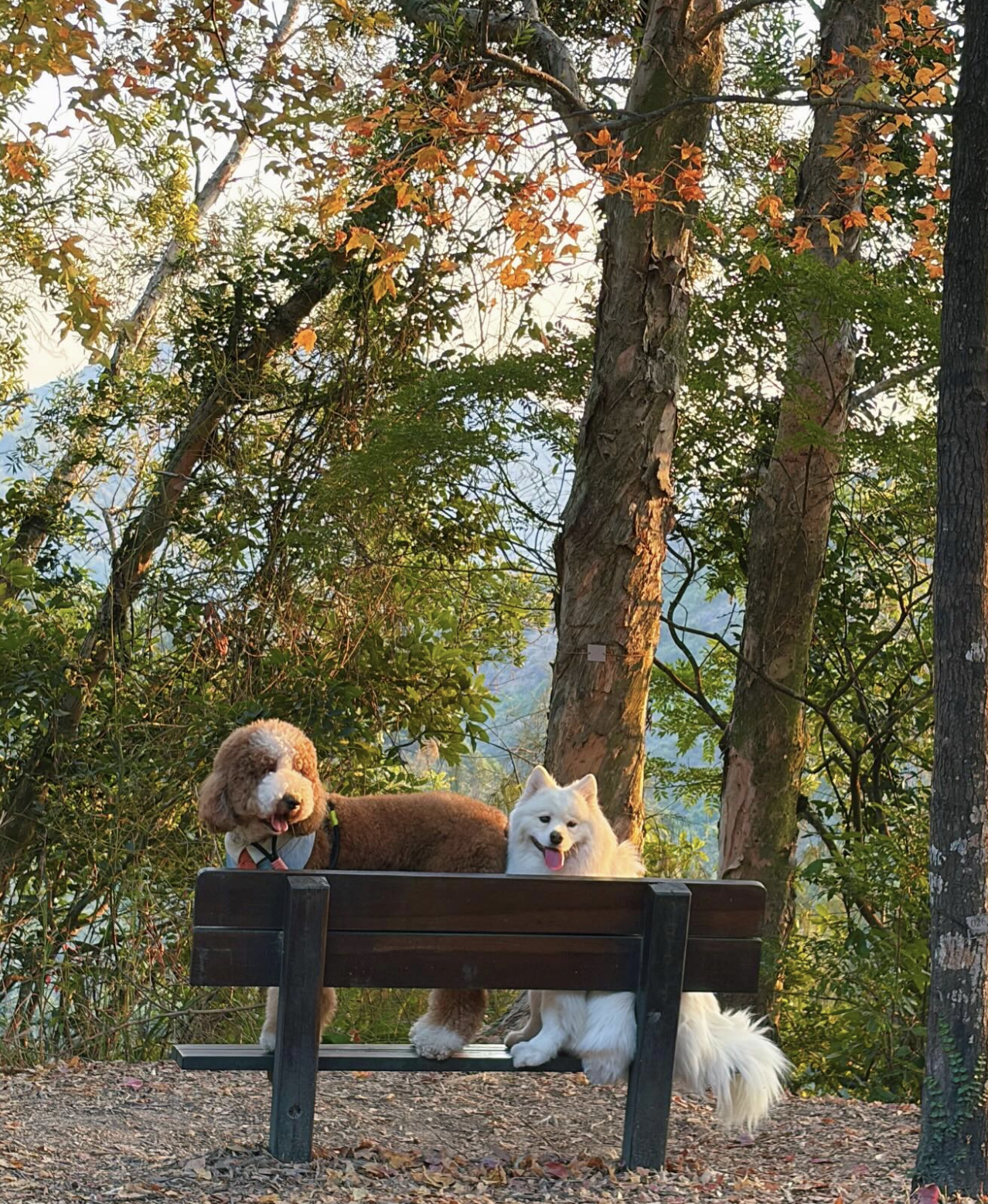
Yes, Your Dog Eats Poop. Let’s Stop Pretending.
Hey… I need to tell you something.
Your dog is biologically qualified to eat poop.
Don’t look shocked.
Don’t act innocent.
This topic has been discussed about a million times already, but as an extremely famous nobody on the internet, I’m going to talk about it again.
Before we start, let’s clarify something important:
Whether your dog eats poop or not…
it absolutely sniffs other dogs’ poop and urine.
That part is non-negotiable.
You can’t stop the sniffing.
What you can stop… is when the sniff suddenly turns into a full bite.
So maybe hold that leash a little tighter.
Alright. Let’s begin.
Written by MyPetsDesign Team
Pet care enthusiasts & community contributors
Why Dogs Eat Poop
And Why, Disturbingly, It Sometimes Makes Sense
It may look like pure chaos from your perspective.
But from your dog’s perspective? There is logic.
I will move quickly here. The subject already smells loud enough.
1. “My Nose Says This Is Food”
Fresh poop can still contain undigested fats and proteins.
And dogs have noses that operate like forensic laboratories.
If it’s fresh.
If they’re hungry.
Congratulations. In their world, that might qualify as “available resources.”
Not Michelin-star dining.
But technically edible.
2. Intelligence Gathering
Poop contains information.
Important information.
Hormones. Diet. Stress levels. Reproductive status.
That female dog in the next building?
Yes, her hormonal updates may be detectable through scent.
To a dog, poop is not just waste.
It’s a news report.
3. Behavioral and Psychological Reasons
Now we enter the human influence zone.
-
Boredom
-
Anxiety
-
Lack of stimulation
-
Attention seeking
Here’s a funny one:
If your dog sees you carefully picking up poop and throwing it away, it might think:
“Wow. My human collects this stuff. It must be valuable.”
Next time, it may try to claim it first.
And when you scream and sprint across the yard like a disaster movie scene, your dog may learn:
“This item unlocks maximum human reaction.”
Congratulations. Behavior reinforced.
4. Medical Possibilities
In rare cases, there may be medical causes:
-
Intestinal parasites
-
Pancreatic insufficiency
-
Malabsorption problems
-
Conditions that cause constant hunger
If your dog seems obsessed or unusually hungry, it’s worth checking with a vet.
Sometimes it’s instinct.
Sometimes it’s biology asking for help.
5. Evolutionary Logic
In the wild, eating waste can serve purposes:
-
Obtaining beneficial bacteria
-
Keeping the den clean
-
Avoiding predator detection
-
Mother dogs stimulating puppies to eliminate
In a forest, it’s strategy.
In your neighborhood park… it’s awkward.
The Downsides
Let’s not overcomplicate this.
Viruses.
Bacteria.
Parasites.
Some of them are serious. Some are dangerous.
That alone should end the debate.
How to Prevent It Without Losing Your Sanity
Let’s assume you’re not willingly allowing this behavior.
We deal with causes.
1. Remove the Opportunity
Most poop-eating happens when it’s:
-
Fresh
-
Accessible
-
And the dog is hungry
So:
-
Clean immediately
-
Avoid heavily contaminated areas
-
Use a leash proactively
If you see the sniff beginning, interrupt early.
Prevention beats emergency mouth retrieval.
2. Feed Properly
A well-fed dog is less impressed by sidewalk leftovers.
Balanced nutrition reduces curiosity.
To a satisfied dog, poop becomes… less glamorous.
3. Train “Leave It”
A solid “Leave it” command changes everything.
Repeated calm correction builds habit.
Eventually, your dog learns:
“Not worth it.”
4. Do Not Turn It Into Theater
The more dramatic you become,
the more exciting the behavior feels.
Calm interruption works better than emotional fireworks.
Final Reminder
If the behavior is:
-
Frequent
-
Compulsive
-
Paired with weight loss or digestive issues
Consult a veterinarian to rule out:
-
Parasites
-
Pancreatic problems
-
Absorption disorders
Most dogs are just being dogs.
They are not trying to ruin your day.
They are navigating the world through instinct, scent, and opportunity.
Your job?
Hold the leash.
Stay calm.
And react before the sniff becomes a commitment. 🐾
All articles on MyPetsDesign are created by our team and community contributors based on real pet care experiences.
Enjoy this article?
Complete this article to earn points!
Earn +50 points by completing this article.
Sign in to earn points when you complete articles.
Must-have Picks


Comments
Recommended Reading
- Is Dog Loyalty Real — or Just Submission?5 min read
- Why Does My Dog Lick Me So Much5 min read
- why does my dog smell like fish5 min read
- How to Decode Dog Adoption Posts: What Those Buzzwords Really Mean4 min read
- Scarlett's Second Chance: How a Little Girl Saved a Stray Pit Bull4 min read