why does my dog smell like fish
If you live with a dog, you already know this isn’t just about “a little smell.” Sometimes it lingers. Sometimes it takes over the whole room. In this post, I’m sharing both the science behind why dogs smell stronger than we expect and the practical things that actually worked in our home.
No drama. Just real experience.
Written by MyPetsDesign Team
Pet care enthusiasts & community contributors
Introduction
Lately it feels like dogs are slowly losing the hygiene competition to cats.
And honestly… I kind of get it.
Dogs can smell. Not just a little. Sometimes it’s the kind of smell that walks into the room before they do.
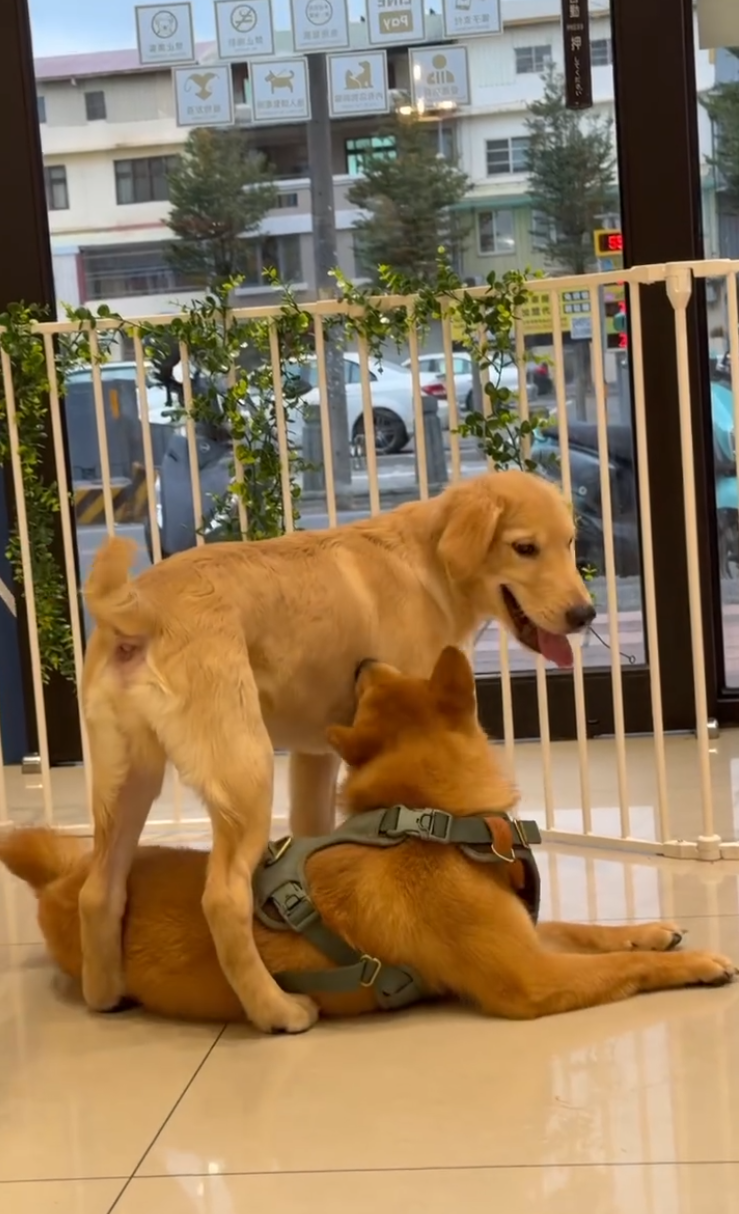
We have one Golden Retriever. Big, fluffy, affectionate, and at one point, unbelievably smelly. There was a period when the odor coming off him was so strong it hit you the second you opened the door. I’m not exaggerating. Eyes watering. Windows open in winter. Life choices being reconsidered.
So today, I’m not going to pretend dogs are fragrance-free angels.
Let’s talk about why they smell.
And more importantly, what actually helped us fix it.

So Where Is That Smell Actually Coming From?
When people talk about “dog smell,” they’re usually mixing two different things together:
-
Body odor
-
Urine odor
And for a while, I didn’t even realize they weren’t the same problem.
In our home, urine was a big part of it. But body odor? That had its own story.
1. The Natural “Dog Smell” Comes From Their Skin
This one surprised me.
Dogs naturally produce oils on their skin. These oils help protect their coat and keep their skin healthy. But when those oils mix with dirt, moisture, and bacteria, they create that classic “doggy smell.”
Golden Retrievers, especially, have a dense double coat. That fluffy beauty holds onto moisture like a sponge.
After rainy walks?
After swimming?
Even after humid days?
That smell builds up fast.
And if the coat doesn’t dry properly, bacteria and yeast can multiply, which makes the odor stronger.
Not dirty. Just biology.
2. Then There’s the Urine Factor
Now let’s talk about the stronger smell.
Dog urine contains a lot of urea, which is what’s left after their bodies process protein. Once exposed to air, bacteria start breaking it down, releasing ammonia.
That sharp, nose-stinging smell? That’s ammonia.
If your dog doesn’t drink enough water, the urine becomes more concentrated. More concentration means stronger odor.
And if urine sits too long, especially on absorbent surfaces, it gets worse over time. Sometimes you clean it and think it’s gone, and hours later the smell creeps back.
That’s usually because uric acid crystals are still there.
I learned that the hard way.
3. Diet Changes Everything More Than You Think
We once switched to a higher-protein dog food because it sounded healthier.
Within days, the urine smell got stronger.
High-protein diets increase urea production. More urea means stronger ammonia after breakdown.
Not saying high protein is bad. Just saying it affects smell.
Encouraging more water intake made a noticeable difference. Sometimes the simplest fix works.
4. Hormones and Health Play a Role Too
Intact male dogs tend to have stronger-smelling urine. It carries hormones and pheromones used for marking territory.
It’s not just waste. It’s communication.
Female dogs in heat can also have changes in odor.
And if the smell suddenly changes dramatically, becomes rotten, unusually strong, or oddly sweet, that’s not something to ignore. Infections, kidney issues, even diabetes can alter urine odor.
That’s when you call the vet.
No guessing.
What Actually Helped Us
Here’s what truly reduced the smell in our home.
Not magic.
Just habits.
1. Drying Properly After Walks
We started towel-drying thoroughly after rainy walks. Not a quick wipe. A proper dry.
Less trapped moisture meant less bacterial buildup.
Huge difference.
2. Better Ventilation
Open windows daily.
Airflow prevents odor from settling and lingering. Fresh air is underrated.
3. Frequent Cleaning With the Right Products
We stopped relying on regular cleaners and switched to enzyme-based products for urine areas.
For body odor zones like bedding, we washed them more frequently than we thought necessary.
Consistency > intensity.
4. Watching Diet and Water Intake
Balanced food. Plenty of fresh water.
Simple but effective.
Final Thoughts
Dogs aren’t supposed to smell like candles.
They run outside. They roll in grass. They get wet. They sweat through their paws. They live fully.
Some scent comes with that life.
But when the smell becomes overwhelming, it’s usually not about the dog being “dirty.” It’s about moisture, concentration, or routine.
Once we understood the difference between body odor and urine odor, things became much easier to manage.
Now?
We can hug our Golden without immediately opening every window in the house.
And that feels like a small victory. 🐾
A Final Reminder
Sometimes a stronger urine smell is a signal worth paying attention to.
-
Dogs in heat may have noticeably stronger urine odor.
-
Kidney problems and diabetes can also change urine smell.
-
Insufficient water intake or overly greasy diets can make it worse.
Pay attention to diet balance and make sure your dog drinks enough water. Small daily details often make the biggest difference.
All articles on MyPetsDesign are created by our team and community contributors based on real pet care experiences.
Enjoy this article?
Complete this article to earn points!
Earn +50 points by completing this article.
Sign in to earn points when you complete articles.
Must-have Picks


Comments
Recommended Reading
- Is Dog Loyalty Real — or Just Submission?5 min read
- Yes, Your Dog Eats Poop. Let’s Stop Pretending.5 min read
- Why Does My Dog Lick Me So Much5 min read
- How to Decode Dog Adoption Posts: What Those Buzzwords Really Mean4 min read
- Scarlett's Second Chance: How a Little Girl Saved a Stray Pit Bull4 min read